
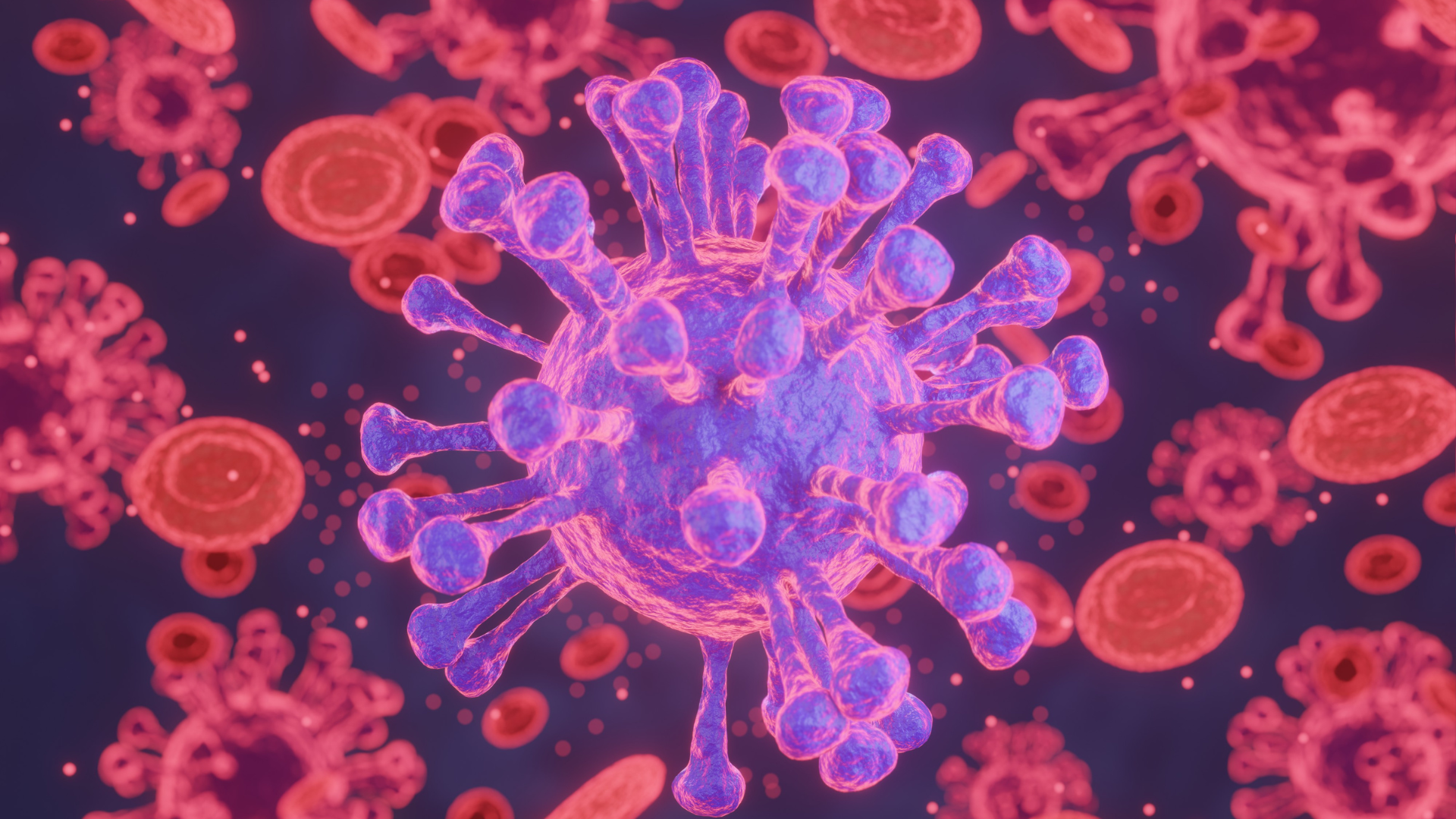
Welcome back to the OsmoHealth Journal! In this article, we will explore the different types of cells that make up the immune system and the body’s defense network against infections and disease. The immune system constantly protects us from harmful invaders such as bacteria, viruses, parasites, and even cancer cells. Each immune cell has a specific task, whether it is detecting threats, destroying them, coordinating the response, or remembering past infections.
By the end of this article, you will hopefully understand how various cells like neutrophils, lymphocytes (B cells, T cells, and natural killer cells), monocytes, macrophages, dendritic cells, basophils, and eosinophils work together to protect the body and maintain health.
Neutrophils
To begin, Neutrophils are the most abundant type of white blood cell and act as the immune system’s first responders. They are usually the first cells to arrive at the site of infection, often within minutes.
Their main functions include:
- Engulfing pathogens (phagocytosis: the process of surrounding and digesting foreign particles)
- Releasing enzymes (proteins that speed up chemical reactions) and reactive oxygen species (toxic molecules that kill microbes)
- Sending chemical signals that attract other immune cells to the infected area
Neutrophils are highly effective but short-lived, usually surviving only a few days. After destroying pathogens, they die and form part of pus, which is a mixture of dead cells and debris. Their rapid action is essential for controlling infections early.
Lymphocytes
Lymphocytes are white blood cells responsible for the adaptive immune response (a targeted defense system that learns, adapts, and builds memory). Unlike innate immune cells, lymphocytes recognize specific pathogens and provide long-term protection.
There are three major types of lymphocytes:
- B cells
- T cells
- Natural killer (NK) cells
Each type plays a distinct and critical role in immune defense.
B Cells
B cells develop in the bone marrow and function as antibody-producing cells. They are activated when they encounter their matching antigen (a unique molecule found on the surface of a pathogen).
Once activated, B cells differentiate into plasma cells (specialized cells that produce large amounts of antibodies).
Antibodies:
- Are Y-shaped proteins
- Bind specifically to antigens
- Neutralize pathogens or tag them for destruction by other immune cells
Some B cells become memory B cells, which remain in the body for years. These memory cells allow the immune system to respond faster and more effectively if the same pathogen returns, which is the principle behind vaccination.
T Cells
T cells mature in the thymus gland and play major roles in coordinating and executing immune responses.
Key types of T cells include:
- Helper T cells:
These cells act as immune coordinators. They release cytokines (chemical messengers that control immune activity) that activate B cells, cytotoxic T cells, and macrophages. Without helper T cells, most immune responses would be weak or ineffective. - Cytotoxic T cells:
These cells directly kill infected or cancerous body cells. They recognize abnormal antigens displayed on cell surfaces and release toxic molecules that trigger apoptosis (programmed cell death, a controlled way for cells to self-destruct). - Regulatory T cells:
These cells prevent excessive immune reactions and protect healthy tissues by suppressing overactive immune responses. This helps reduce the risk of autoimmunity (when the immune system attacks the body’s own cells).
Some T cells become memory T cells, which provide long-term immunity by rapidly responding to future infections.
Natural Killer (NK) Cells
Natural killer cells are lymphocytes that function mainly in innate immunity (rapid, non-specific defense). They specialize in identifying and eliminating abnormal cells, especially virus-infected cells and cancer cells.
NK cells:
- Detect cells that lack normal surface markers
- Kill target cells by releasing toxic proteins that damage cell membranes
- Trigger apoptosis (controlled cell death)
- Release cytokines that enhance immune signaling
Because they do not require prior exposure to a pathogen, NK cells provide immediate protection during the early stages of infection or tumor development.
Monocytes
Monocytes are large white blood cells that circulate in the bloodstream and act as precursor cells (cells that mature into other types).
Their functions include:
- Migrating into tissues and differentiating into macrophages or dendritic cells
- Engulfing pathogens and debris
- Supporting immune surveillance (constant monitoring for threats)
Monocytes typically remain in the blood for 1 to 3 days before entering tissues, where they develop into specialized immune cells.
Macrophages
Macrophages are mature monocytes that reside in body tissues and act as powerful phagocytes.
Their main roles include:
- Engulfing bacteria, viruses, dead cells, and debris
- Presenting antigens (displaying pathogen fragments on their surface so T cells can recognize them)
- Releasing cytokines that promote inflammation and attract immune cells
Macrophages are found throughout the body and adapt to their tissue environment. Examples include:
- Microglia in the brain
- Kupffer cells in the liver
- Alveolar macrophages in the lungs
These cells play key roles in both defense and tissue maintenance.
Dendritic Cells
Dendritic cells act as immune soldiers/security, constantly sampling their environment for foreign material. They are found mainly in tissues that frequently encounter pathogens, such as the skin, lungs, and intestinal lining.
Their functions include:
- Capturing pathogens
- Processing antigens
- Migrating to lymph nodes
- Activating naive T cells (inactive T cells that have not yet encountered a pathogen)
This process initiates adaptive immune responses, making dendritic cells one of the most important links between pathogen detection and immune activation.
Basophils
Basophils are rare white blood cells involved mainly in allergic reactions and inflammation.
They contain granules filled with:
- Histamine (a chemical that increases blood vessel permeability, causing swelling and redness)
- Heparin (an anticoagulant or “blood-thinner” that prevents blood clotting)
When activated, basophils:
- Trigger allergy symptoms such as itching, swelling, sneezing, and mucus production
- Release cytokines that influence immune signaling
Basophils play a major role in allergic diseases, including hay fever and food allergies.
Eosinophils
Eosinophils specialise in defending against multicellular parasites, particularly parasitic worms. They also play a role in allergic and inflammatory responses.
Their actions include:
- Releasing toxic granule proteins that damage parasites
- Producing inflammatory mediators (chemical signals that promote immune activity)
In allergic conditions such as asthma, eosinophils contribute to airway inflammation, swelling, and mucus buildup. While their activity is important for parasite defense, excessive eosinophil activity can cause tissue damage and chronic inflammation.
Conclusion
The immune system relies on a coordinated network of specialized cells, each performing essential tasks. Neutrophils act rapidly, macrophages and dendritic cells detect and present antigens, lymphocytes provide precise and long-term protection, and basophils and eosinophils regulate inflammatory and allergic responses. Natural killer cells add fast protection against abnormal cells.
Together, these cells create a highly organised defense system that protects the body from infection, disease, and internal threats. Understanding how immune cells function provides insight into human health and supports advances in medicine, immunotherapy, and disease prevention. Stay tuned for the next article!
References
- British Society for Immunology. (n.d.). Neutrophils. https://www.immunology.org/public-information/bitesized-immunology/cells/neutrophils
- Cleveland Clinic. (2025). Neutrophils: What they are, function, and conditions. https://my.clevelandclinic.org/health/body/22313-neutrophils\
- National Institute of Allergy and Infectious Diseases. (n.d.). Immune cells. https://www.niaid.nih.gov/research/immune-cells
- National Cancer Institute. (n.d.). Understanding the immune system: How it works. https://www.cancer.gov/about-cancer/understanding/what-is-cancer
- Charles River Laboratories. (n.d.). Human immune cells: Products and services. https://www.criver.com/products-services/cell-sourcing/human-immune-cells?region=3601
Leave a Reply