
Welcome to the OsmoHealth Journal
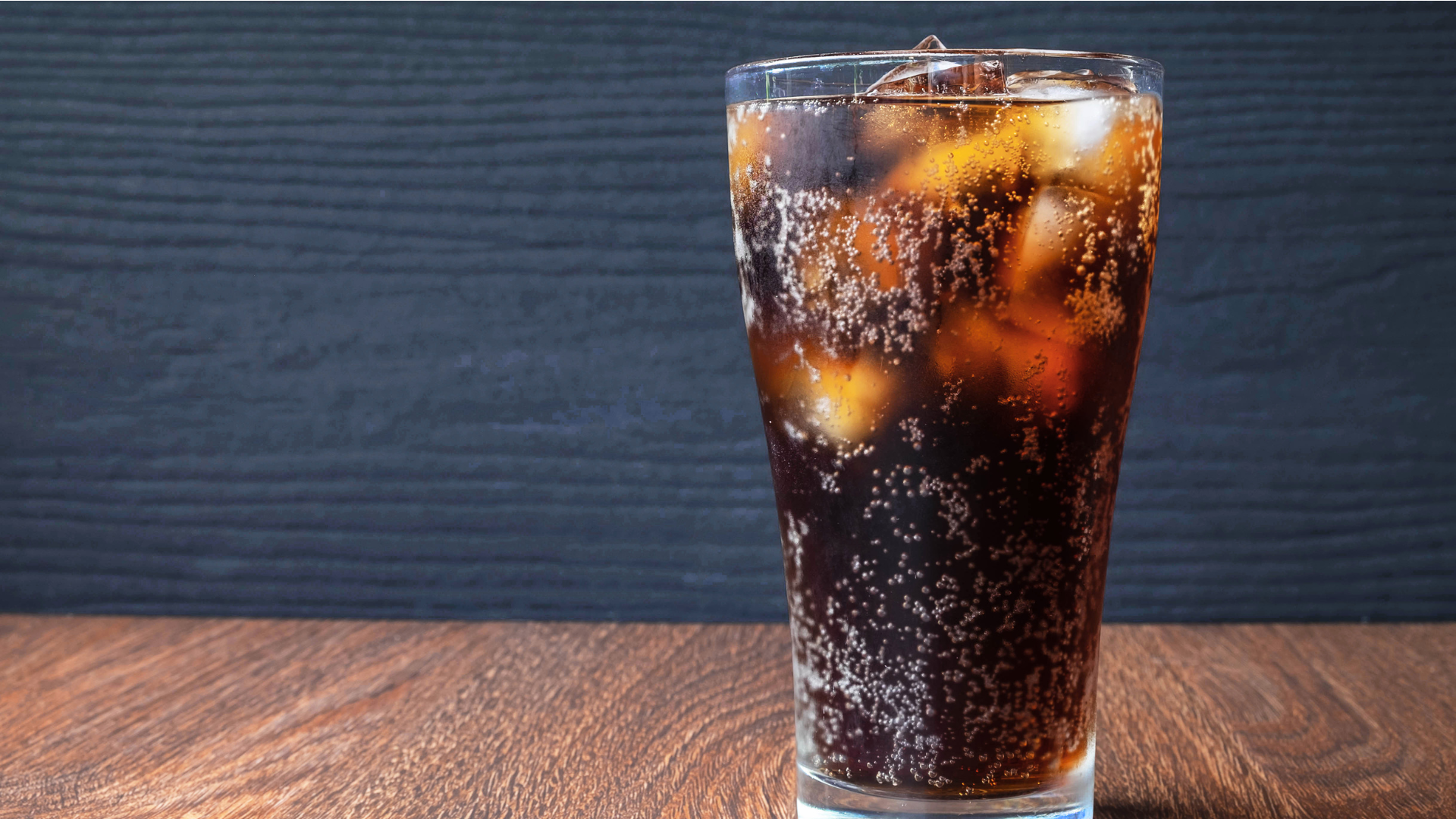
Diet sodas are increasingly chosen by those looking for an alternative to regular soda. They have often been marketed as a wiser choice for people wishing to lower their total calorie intake or to limit their sugar consumption. However, while switching from regular to diet soda appears to be an obvious healthy choice at first glance, there is in fact much more going on with these products than meets the eye.
In the article, we’ll examine what the effects are of drinking diet soda on the body, some of the potential benefits of drinking diet soda, and various health-related issues that researchers are still studying in relation to diet soda consumption.
What Is Diet Soda?
Diet sodas are soft drinks, which are made by using artificial or noncaloric sweeteners (in essence, sweeteners that have little or no calories), instead of standard sugars. The methods of manufacturing diet sodas may include the use of high fructose corn syrup and cane sugar, or other sweetening materials, in extremely small quantities.
Common artificial sweeteners in diet sodas include aspartame, sucralose, saccharin, and acesulfame potassium. Each of these compounds is many times sweeter than regular sugar, and so very small amounts of each will sweeten an entire diet soda.
For those reasons, diet sodas are usually marketed as healthier alternatives to traditional soft drinks. Diet sodas are especially popular with people who want to lose weight, cut down on sugar, control their blood glucose, or avoid the dental effects of sugar-sweetened soft drinks. However, diet sodas substitute one policy issue (elimination of a significant amount of caloric intake) with another policy issue (the introduction of new-unknowns).
The Main Benefit: Less Sugar
One of the primary advantages of consuming diet soda is how it has no sugar in its formula. For example, a typical can of regular soda can have between 35 – 40 grams of sugar which is equal to approximately 8 – 10 teaspoons of sugar per serving. Regularly consuming sugar containing drinks such as soda has been associated with numerous health problems including obesity, type 2 diabetes, heart disease, and tooth decay.
Artificial sweeteners found in diet sodas supposedly allow individuals to enjoy a sweet type of beverage without the same immediate increase in blood sugar levels and caloric intake. For those people who consume regular soda frequently, switching from regular soda to diet soda may significantly lower their total daily sugar intake as well as their overall daily caloric intake.
Therefore, considering the previously listed benefits associated with diet soda, diet soda may be preferable to use instead of regular soda in certain cases, especially for people trying to make the transition from very sugary drinks.
That said, having less sugar in a beverage does not mean that it is necessarily a healthy beverage.
How Artificial Sweeteners Affect the Brain
Artificial sweeteners may have effects on the brain that extend beyond basic taste perception. When sugar is tasted by the brain, it prepares for an upcoming intake of calories. That expectation of energy is a key component of the appetite regulation process and reward systems in the body.
With diet sodas, the brain experiences sweetness without calories. Some researchers suggest that this can produce a mismatch of experience, which might disrupt the learned association that occurs between a sweet taste and energy intake.
Therefore, some individuals may find that artificial sweeteners:
- Increase their desire for other sweets.
- Decrease their sense of fullness after eating.
- Encourages greater total calorie consumption later in the day.
Though results are not seen with all people, they may give some insight into why certain people say they are hungrier or craving sweets after drinking a diet beverage. The connection between appetite and artificial sweeteners remains a subject of continued scientific study.
Can Diet Soda Contribute to Weight Gain?
Although many believe that diet sodas can help them lose weight due to their low amount of calories, many studies have actually shown that as individuals consume more diet sodas on a regular basis, their weights will continue to increase, along with their amounts of abdominal fat over time.
While this does not prove that consuming diet sodas causes you to gain weight, there are many possible explanations.
One potential explanation is “compensatory eating” where people subconsciously overeat because they believe by drinking a diet soda they have achieved the goal of saving calories. Another theory is by consuming diet sodas regularly, you are developing a strong preference for sweet tasting foods; therefore, the healthier, lower-sugar options are not as desirable to you as they once were.
Additionally, researchers have found that those who frequently consume diet soda may be more likely to engage in other behaviours associated with gaining weight (such as exercising less or eating poorer quality foods). Therefore, because of these factors, current research can identify possible associations but not direct causation.
Potential Effects on Metabolism
The body’s metabolism includes the nutrient conversion process from food into energy and the regulation of activities like blood glucose, fat retention, and hormonal processes. New research has recently shown that artificial sweeteners could affect these metabolic processes perhaps in unexpected or unanticipated ways.
Some studies have shown that consuming diet soda regularly is linked to metabolic syndrome, a group of symptoms (i.e., high blood sugar level(s), increased abdominal fatness, abnormal cholesterol levels, and high blood pressure) that will greatly increase your risk of heart disease and/or type 2 diabetes.
At this time, scientists are trying to determine what may have caused the association between diet soda and metabolic syndrome through multiple mechanisms. For example, changes in insulin response or glucose tolerance may be occurring when you consume artificial sweeteners. It is also believed that altering gut microbiome (or cross-taking of gut bacteria between organisms in your digestive system( could alter insulin and glucose metabolism, both of which can have serious repercussions for human health.
There is still a large amount of follow-up studies needed on humans before drawing final conclusions, but the preliminary data suggests that artificial sweeteners are not as inert, as they being once thought to be.
If you’re interested in learning more about Metabolism and how it works, I recommend you read my previous article Metabolism Explained: How Your Body Turns Food Into Energy
Heart Health Considerations
A variety of large observational studies have shown that people who regularly drink diet soda could be at an increased risk of developing cardiovascular diseases such as stroke, hypertension (high blood pressure), or heart disease.
These results should not be interpreted as definitive evidence that drinking diet soda causes damage to the heart. Rather, observational studies are used to find specific patterns and relationships in data, but they do not establish causation between two events. However, the consistent nature of these findings across multiple studies has prompted researchers to continue looking into the potential effects of diet soda on cardiovascular diseases.
Some experts believe these effects could occur through an indirect means, including changes to the body’s metabolism, increases in inflammation, or changes to the way people behave when using diet soda. Therefore, experts recommend treating diet sodas the same as sugary beverages and limiting consumption, because it is unclear whether they pose a risk to one’s health.
Does Diet Soda Harm Teeth?
Although diet soda’s lack of sugar means that it is generally less harmful to teeth than regular soda, this does not mean that it is tooth-friendly in every way. The majority of diet sodas are acidic enough that repeated exposure will eventually erode enamel from the surface of the teeth, which is the hard protective outer layer.
The loss of enamel can lead to increased sensitivity to temperature and increased risk of decay and discoloration. Even though diet soda lowers the chance of developing cavities from sugar, it can still be a risk factor for long-term dental health due to its acidity, especially with consistent consumption.
This is why many dentists encourage drinking acidic beverages in moderation and limiting the time spent sipping an acidic beverage.
Is Aspartame Safe?
Aspartame is one of the most widely used and controversial artificial sweeteners in diet soda. Despite frequent public concern surrounding its safety, current evidence from major regulatory and health organizations indicates that aspartame is considered safe for most people when consumed within established daily intake limits.
The primary unique exception is individuals with something called Phenylketonuria, a rare genetic disorder that prevents the body from properly metabolising something called Phenylalanine, one of the amino acids found in aspartame. These individuals must strictly avoid products containing it.
Some people also report headaches or digestive discomfort after consuming aspartame, although scientific evidence on these effects remains mixed. For the average healthy person, the greater concern with diet soda is generally not acute toxicity from aspartame itself, but rather the broader long term health implications associated with habitual consumption.
Conclusion
Diet soda may be a better alternative than regular soda for reducing sugar and calorie intake, but it should not be mistaken for a health drink. While it removes many of the well known drawbacks of sugary beverages, research suggests that frequent consumption may still be linked to issues involving appetite regulation, metabolism, cardiovascular health, and dental health.
For most people, occasional diet soda consumption is unlikely to cause significant harm. However, relying on it daily as a primary beverage may not be ideal for long term wellness. “Sugar free” does not automatically mean healthy, and moderation remains one of the most important factors in nutrition.
The healthiest beverage choices are still water, sparkling water, unsweetened tea, and milk in moderation. Diet soda is best viewed as an occasional substitute rather than an everyday staple.
Interested in more evidence based health breakdowns like this? Subscribe to the OsmoHealth Journal newsletter below so you never miss a new article.
References
- Healthline. (2024). Is diet soda bad for you? Effects, risks, and more. https://www.healthline.com/nutrition/diet-soda-good-or-bad
- The Ohio State University Wexner Medical Center. (2023). Is diet soda bad for you? https://health.osu.edu/wellness/exercise-and-nutrition/diet-soda-bad-for-you
- National Center for Biotechnology Information. (2009). Nutritively sweetened beverage consumption and obesity. https://pmc.ncbi.nlm.nih.gov/articles/PMC2660468/
- Arkansas Heart Hospital. (2023). From the heart: Diet soda health risks. https://www.arheart.com/from-the-heart/diet-soda-health-risks/
- Cleveland Clinic. (2024). 3 reasons you should kick your diet soda habit. https://health.clevelandclinic.org/3-reasons-you-should-kick-your-diet-soda-habit
Leave a Reply